Connect this guide with the rest of your visit in the Lagos trip planner. Read how the research is made and what its sources establish.
At a glance
Start here
- The online catalogue groups objects by culture, region, material and period.
- National Museum Lagos entries range across Yoruba, Benin, Igbo-Ukwu, Nupe and other traditions.
- NCMM describes digitisation as 3D scanning plus contextual cataloguing.
- Conservation and digital access solve different problems and should be read together.
01
A catalogue reveals the museum's national range
NCMM's collection portal allows browsing by cultural tradition, region, material and period. Its categories include Ife, Benin, Nok, Igbo-Ukwu, Esie, Owo and others, with materials from bronze and terracotta to wood, textile, ivory and leather. That structure makes an important point: a museum in Lagos is presenting a national collection rather than only objects made in Lagos.
The National Museum Lagos category reinforces the range. Search-rendered entries included an Esie soapstone figure, Igbo-Ukwu roped pot, Ijebu Ogboni figure, Nupe stool, Igbo Ikenga figure, Yoruba Epa mask and Benin bronzes. A useful visit follows those provenances instead of treating every object as a single undifferentiated African style.
- Read culture and place labels before visual comparison.
- Notice how one material carries different regional traditions.
- Avoid turning a national collection into a Lagos-only story.
02
Metadata is part of interpretation
NCMM says digitisation includes tagging objects with historical context, cultural significance and other information. That work matters because an image without provenance can reproduce confusion. A title, material, period, region and cultural association do not exhaust an object's meaning, but they prevent the most basic misidentification and create a path toward deeper research.
Catalogue records should still be read critically. Dates may be broad, spellings may vary, and a short description cannot replace community knowledge or curatorial argument. The digital turn is most useful when it exposes what is known, what category the institution has assigned and what questions remain.
- Record the accession title and cultural attribution.
- Distinguish catalogue fact from your own visual interpretation.
- Treat gaps as research questions, not invitations to guess.
03
A 3D record captures more than a front view
NCMM's digitisation account describes detailed 3D scans of artefacts at National Museum Lagos. A three-dimensional record can document form from several angles and make close study possible when an object cannot be handled. It can also preserve a time-stamped condition reference useful to future scholarship and conservation planning.
But a scan is not the object. Scale, material response, weight, surface and the relationship to neighbouring works change in a physical gallery. Digital access expands the audience and prepares attention; it should not collapse the difference between a model on a screen and culturally significant material held in trust.
- Rotate the model to inspect form, not to simulate ownership.
- Check the catalogue scale and material fields where available.
- Use the record to prepare questions for the museum.
04
Some objects need treatment before visibility
An NCMM press release describes a project to conserve Igbo-Ukwu bronze objects in the Lagos collection, including structural analysis, consolidation and treatment. It identifies the works as dating to the ninth through eleventh centuries and explains that corrosion created a need for intervention. This is a reminder that access depends on skilled, often invisible care.
Digitisation can record and share an object, while conservation stabilises the material itself. Neither should be confused with creating a new artefact. When a gallery label mentions treatment, read it as evidence of institutional responsibility and scientific judgment, not as damage that diminishes the object's historical value.
- Look for treatment and provenance notes.
- Do not touch a surface to test what it looks like.
- Understand display rotation as conservation practice, not absence.
05
Build a visit around one object family
Instead of scanning a gallery for famous masterpieces, choose one family such as Igbo-Ukwu vessels, Benin court objects, Yoruba masks or carved stools. Compare material, function, date and place across several records. Then ask what the catalogue cannot show: performance, ritual restriction, ownership history, sound, movement or the changing meaning of display.
This method turns the digital catalogue into a preparation tool rather than a checklist. It also reduces the temptation to generalise from one object to an entire people. Nigerian material histories are plural, and the Lagos collection's breadth is most useful when differences remain visible.
- Choose a family by material or region.
- Write down two similarities and two differences.
- Ask the museum how the objects entered the collection when information is available.
06
Use the catalogue even when access is uncertain
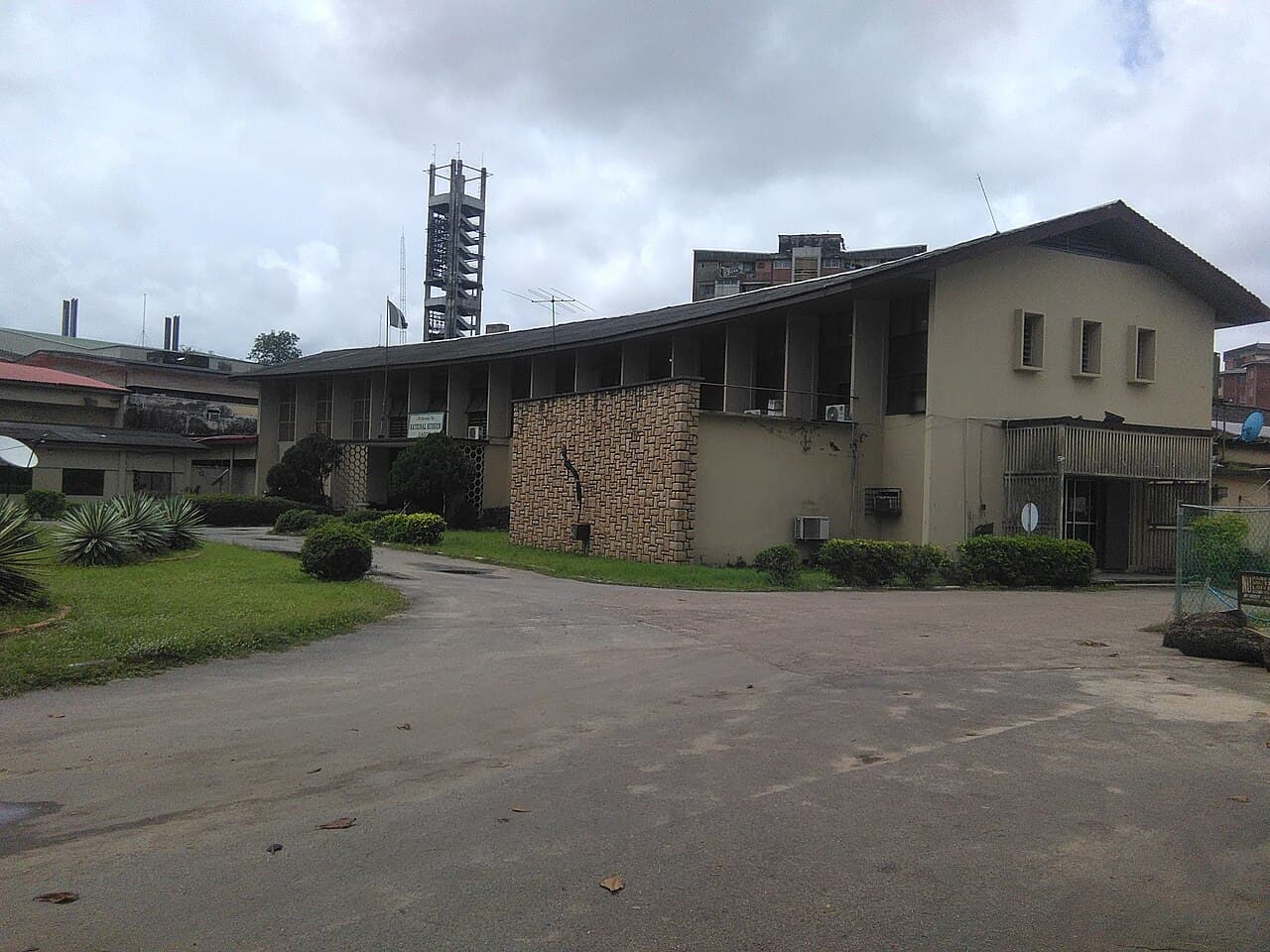
NCMM's national-museums page identifies the Onikan location and official museum contact, but its exact page failed to open during this review. Do not convert cached opening information into a promise. Contact the museum directly for the current day, any gallery closure and photography conditions before travelling.
If the physical visit cannot be confirmed, the official catalogue can still support a focused study session. Save object titles and questions, then revisit the access plan later. Research that acknowledges a closed page is more useful than a confident itinerary built on stale details.
- Confirm hours through the museum's current channel.
- Ask whether the object family you want is on display.
- Keep digital research separate from claims of physical access.
Useful answers
Reader questions
Does the NCMM digital catalogue show only Lagos-made objects?
No. The National Museum Lagos category includes objects associated with many Nigerian regions and cultural traditions, reflecting a national collection held in Lagos.
Sources: National Commission for Museums and Monuments; National Commission for Museums and MonumentsWhat does digitisation involve at National Museum Lagos?
NCMM describes detailed 3D scanning plus tagging with historical context, cultural significance and other catalogue information.
Sources: National Commission for Museums and MonumentsWhy are Igbo-Ukwu bronzes part of this story?
NCMM documented a conservation project for hundreds of Igbo-Ukwu bronze objects in the Lagos collection, showing how physical treatment complements digital recording.
Sources: National Commission for Museums and MonumentsAre the museum's current opening hours confirmed here?
No. The exact NCMM national-museums page returned a 502 during this review, so visitors should confirm hours and gallery access directly rather than rely on cached details.
Sources: National Commission for Museums and MonumentsRead the evidence
Sources and further reading
These sources support the relevant sections above. Plans and comparisons are editorial suggestions. Check operators for current arrangements.
- National Museums ↗National Commission for Museums and Monuments · Research date 14 September 2026
The official existence, Onikan location and contact listing for National Museum Lagos; mutable hours were not used after a 502 response.
- Home - National Commission for Museums and Monuments ↗National Commission for Museums and Monuments · Research date 14 September 2026
The collection portal's culture, region, material and period filters and NCMM's digital-collection purpose.
- National Museum Lagos Archives ↗National Commission for Museums and Monuments · Research date 14 September 2026
Named catalogue records and the cross-regional range of objects assigned to National Museum Lagos.
- Digitization of Museum Collections at National Museum Lagos ↗National Commission for Museums and Monuments · Research date 14 September 2026
NCMM's description of 3D scanning, contextual tagging and broader digital access.
- Historically Significant 9th - 11th Century Igbo-Ukwu Bronzes in National Museum Lagos' Collection Selected for Bank of America's 2022 Art Conservation Project ↗National Commission for Museums and Monuments · Research date 14 September 2026
The collection's Igbo-Ukwu bronze conservation project, dates, scale and treatment purpose.